Concerning local situation for informal workers and difficult diaspora money transfers
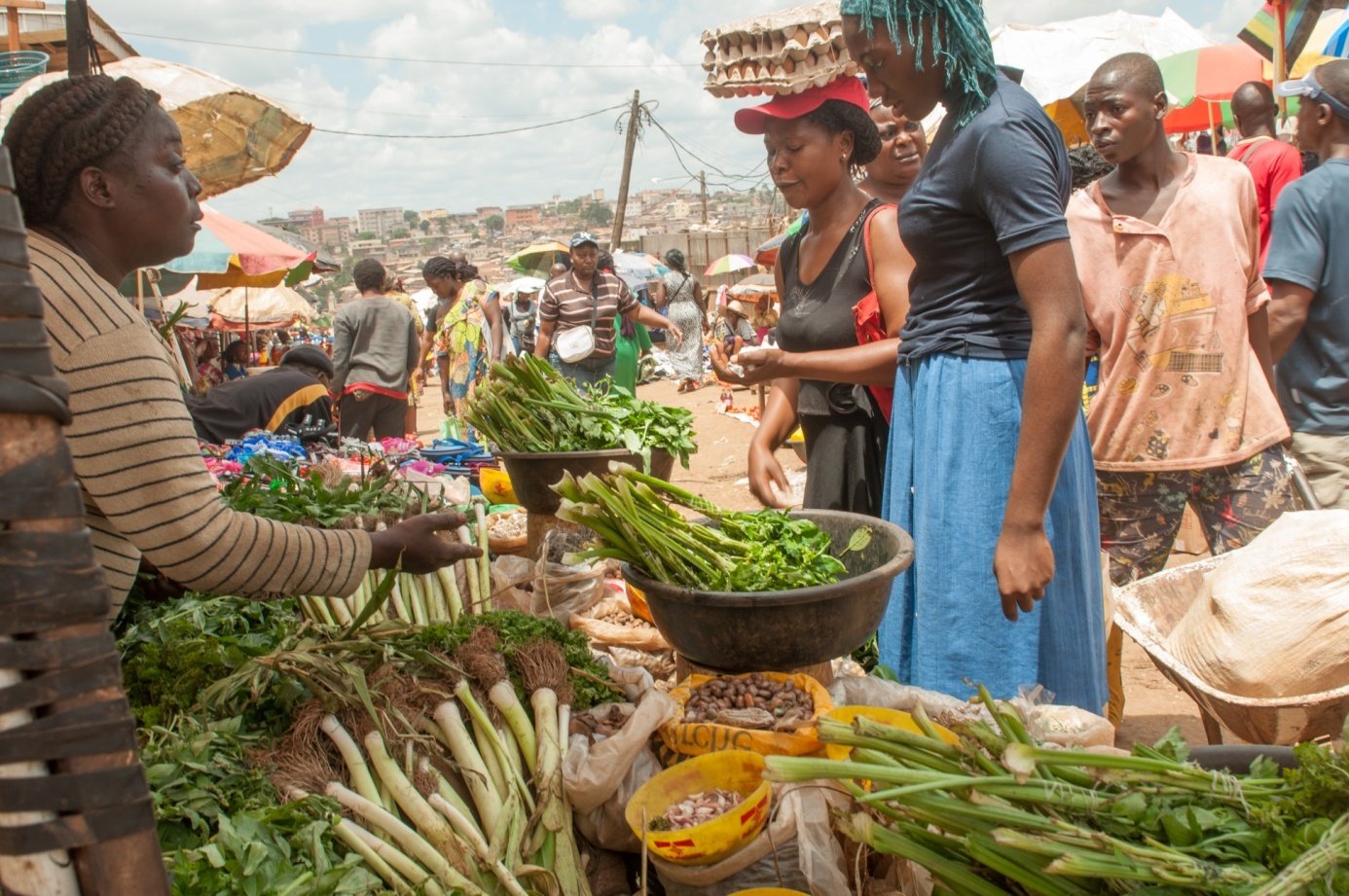
While it is difficult today to accurately assess the economic impact of the Covid-19 pandemic (the government and employers' organizations are working on it), we already know that the measures currently being implemented in a large number of countries to limit and then break the chains of transmission of the disease (social distancing, closing markets, confinement, banning gatherings, etc.) have profound implications for the labor markets and, through them, for household living conditions. While workers in developed countries can partly rely on conventional social protection mechanisms and certain income stabilization devices, the situation is much more worrying for those in developing countries, the vast majority of whom work in the economy. informal sector. Whether they are street vendors, handlers or small artisans, containment measures, curfews or market closings mean for them the cessation of their activity. They then find themselves unable to ensure their daily subsistence, in contexts where there is often no retirement, no unemployment insurance, no health insurance. In the case of the capitals of sub-Saharan Africa, for example, where at least 75% of jobs are in the informal sector, containment measures raise fears of a sharp increase in poverty and inequality and, with it, a rise in tensions . The situation is all the more alarming as the fall in income from local activities risks being accompanied by the drying up of another source of income which is often important for households: diaspora money.
