Towards sustainable cities and municipalities
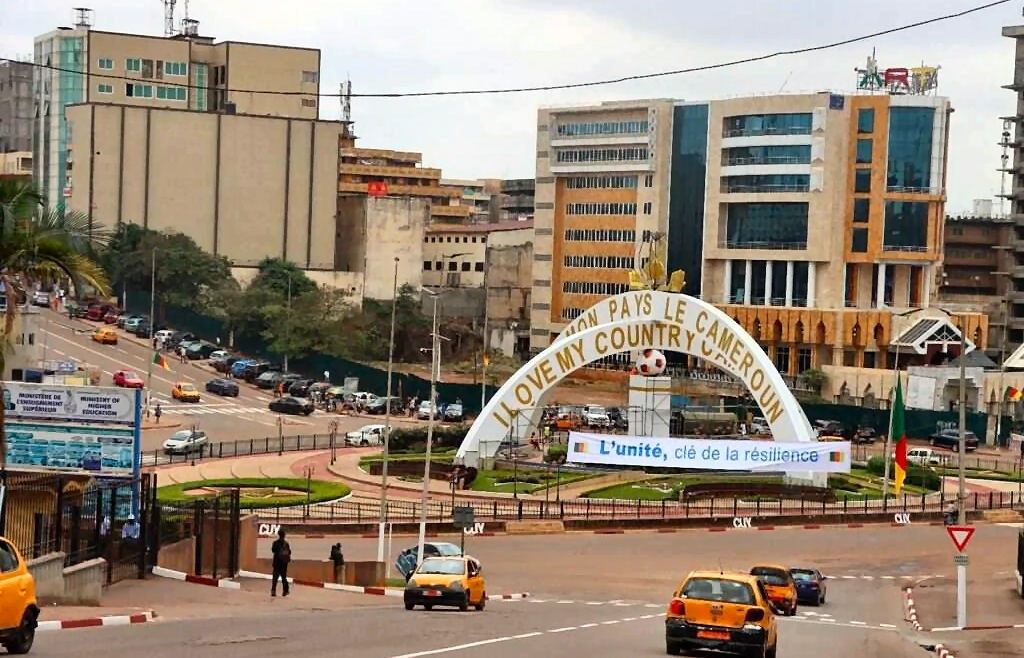
February 7, 2027, will mark an opportunity for all Cameroonian citizens to elect new local political representatives. As this new municipal term—fraught with challenges—begins, APPUI aims to provide comprehensive support and the necessary tools to these newly elected local officials. To this end, the organization is mobilizing all its resources to foster "territorial intelligence." This intelligence, which can be facilitated through various tools, serves as a vital source of inspiration for creating sustainable cities and territories. It is designed to support the implementation of cross-cutting strategic programs for every Cameroonian city and municipality, guiding them as they shape their own development. Integrating the concept of sustainability—centered on three key societal pillars: urban planning, land-use management, and the environment—into municipal strategies can be highly beneficial. This approach has already been adopted by higher-level Cameroonian authorities, who utilize the Sustainable Development Goals (SDGs) as an analytical framework for implementing public policy. Consequently, the use of the SDGs by local authorities could prove to be a significant asset in their engagement with higher levels of government. APPUI has identified five major challenges for local authorities: sustainable development and resilience; governance and efficient management; democracy; social cohesion; and the transition of communities and territories. These challenges are accompanied by a series of concrete, actionable proposals designed to inspire local authorities as they navigate the transition toward a more sustainable future for their territories.